Vape Chipsets: Technical Role in Device Architecture
Technical review: This article documents the role of electronic chipsets in regulated vaping devices. It focuses on hardware control logic, power regulation, and firmware-level functions used in contemporary and legacy systems. Updated: February 2026.
Definition: A vape chipset is an embedded electronic control unit responsible for managing power delivery, electrical protection, user interface logic, and device operating modes.
Key functions of vape chipsets
- Regulation of output power (wattage or voltage)
- Monitoring electrical parameters (resistance, current, voltage)
- Battery management and discharge control
- Firmware-based operating modes and limits
- User interface handling (display, buttons, sensors)
Common chipset platforms in regulated devices
GENE chipset (VooPoo)
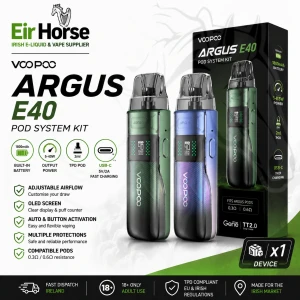
The GENE platform is designed for fast signal processing and stable power regulation. It implements predefined electrical protection routines and supports variable power output within device-defined limits.
AXON chipset (Vaporesso)
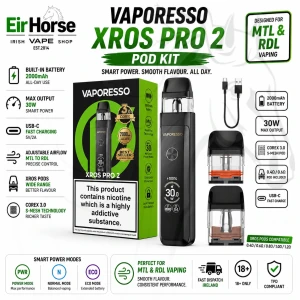
AXON chipsets focus on structured power curves and firmware-controlled output profiles. Features include staged power delivery and configurable operating modes implemented at firmware level.
QUEST chipset
The QUEST chipset family provides multi-mode operation, including regulated power and temperature-based control logic. It is positioned as a mid-range control platform with configurable output behaviour.
DNA chipset (Evolv)
DNA chipsets are known for high measurement accuracy and extensive firmware configurability. They support advanced temperature-based algorithms and detailed monitoring of electrical parameters.
YiHi chipset
YiHi platforms emphasise precise output control and atomiser-specific profiles. These chipsets were among the earliest to implement advanced power curve logic and high-frequency signal processing.
Chipset feature comparison (technical overview)
Ireland-specific regulatory context
Chipset-controlled devices sold in Ireland operate within regulated power, capacity, and notification frameworks. Hardware control logic supports compliance with TPD requirements applicable to nicotine-containing products.
Technical FAQ
Does a chipset affect power accuracy?
Yes. The chipset determines how accurately voltage and current are measured and regulated during operation.
Is temperature control implemented in hardware or software?
Temperature-based control relies on firmware algorithms operating on electrical resistance data supplied by the chipset.
Intent discloser
This article provides technical documentation of device electronics. It does not offer usage instructions, health claims, or consumer advice.